An exploration of the future trends in CMS technology.
Did you know that visuals are processed 60,000 times faster in the brain than text? It’s no surprise that visual storytelling—the art of using images to convey a message—has become a cornerstone of modern communications and marketing. Whether designed to stand alone or complement written content, visual storytelling helps audiences make sense of complex data, evokes emotion, and improves information retention.
In today’s digital marketing landscape, visual storytelling is more crucial than ever. Studies reveal that readers of visual stories spend more time on a page, are less likely to bounce, and engage more frequently with calls to action. Infographics, a staple of visual storytelling, are shared three times more often than any other type of content.
The Key Elements of Impactful Visual Storytelling
So, what makes visual storytelling truly effective? Here are some essential principles to create innovative and engaging narratives:
- What story do you want to tell? Start by engaging with your client and truly listening to their experiences. This is where the power of data comes into play—valuable insights can help craft a compelling narrative that deeply resonates with your audience.
- Capture Attention Quickly: Leverage a unique and creative approach that demands attention. Explore diverse methods to present your message, and make it authentically yours. Developing your distinctive voice fosters a genuine connection with your audience. After all, you can’t expect extraordinary results using the same cookie-cutter templates every small brand relies on, right?
- Structure for Simplicity: Divide your content into concise, digestible sections to keep your audience engaged. Communicate through brief, targeted messages delivered consistently over time. If the idea doesn’t resonate immediately, give your audience multiple opportunities to connect with it and understand your vision.
- Leverage Colors and Compelling Imagery: Use vibrant visuals and carefully chosen images to breathe life into your story. Everyone loves content that’s engaging and enjoyable—so let your brand shine with personality. Infuse creativity and emotion into your visuals to truly connect with your audience.
A Case Study: Airbnb’s Masterful Use of Animated Storytelling
A masterclass in understanding and storytelling, Airbnb's 2024 marketing campaign stands out as a prime example of how to truly connect with an audience. They began by deeply understanding their customers’ pain points, investing time in surveys, forums, and even reviewing competitor feedback to identify what worked and what didn’t. This thorough research gave them a clear picture of their audience's desires and frustrations.
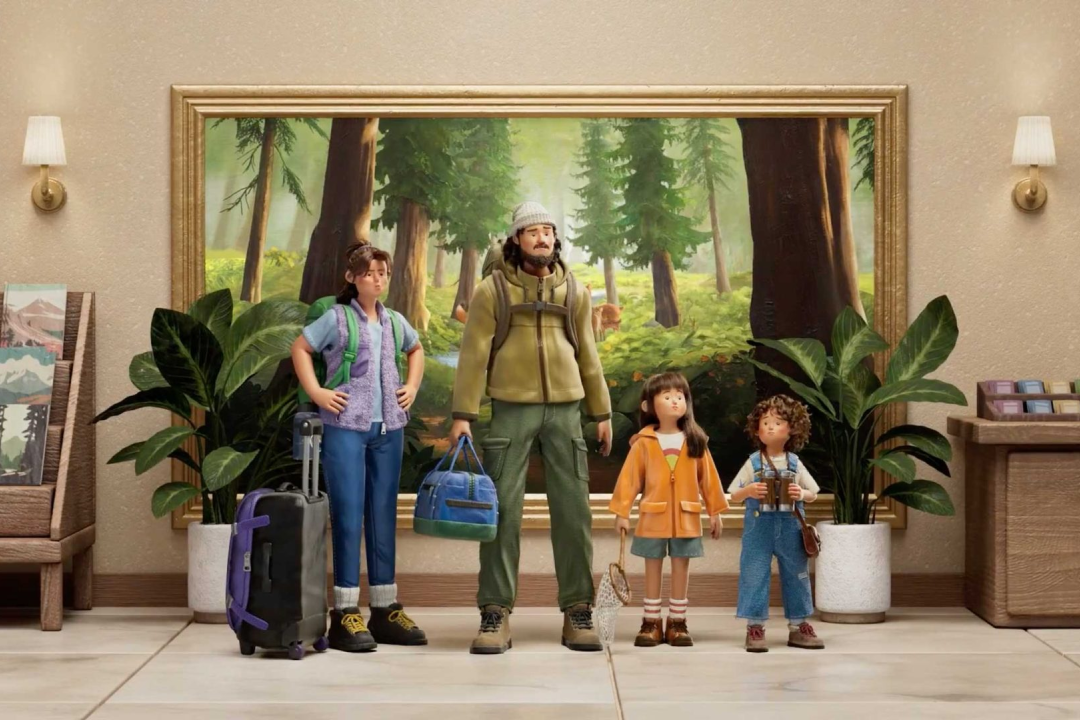
Armed with this knowledge, Airbnb explored various ways to communicate their findings. While live-action videos were an option, they opted for animation, a medium that breaks free from physical limitations. Through this, they created enchanting digital worlds inspired by real locations, delivering messages with a magic that only animation could achieve. Here are three standout examples from their campaign:
- The "Parisi" Side of Paris:Airbnb’s animation begins by showcasing the all-too-familiar tourist experience: staying in a hotel surrounded by gift shops and pre-packaged attractions. It highlights how the hotel culture often strips cities of their uniqueness, offering visitors an experience that feels standardized and disconnected from local life. The scene then transforms, immersing viewers in a quintessential Parisian neighborhood, where narrow streets hum with life, local bakeries fill the air with the scent of fresh pastries, and charming corner cafés invite you to linger. The animation vividly contrasts the sanitized tourist zone with the authentic, everyday beauty of Paris. This campaign reminds travelers that choosing Airbnb means stepping outside the manufactured tourist bubble to discover the heart of the city—the real magic of Paris. It’s an invitation to experience the city like a true local, where every corner tells a story.
- Pet-Friendly Stays: Airbnb recognized a growing trend: more travelers want to bring their pets along on adventures, but they often face frustration. While some hotels may claim to be pet-friendly, the reality can be far from ideal. Cramped rooms, lack of outdoor space, and minimal accommodations leave both pets and their owners dissatisfied. The animation begins with this all-too-common scenario, depicting a frustrated traveler in a small hotel room, trying to keep their restless dog entertained. The scene then transforms into a vibrant, welcoming home with a sprawling grassy backyard, where the dog runs freely, tail wagging with joy.
- Why Stay in Separate Hotel Rooms?: Airbnb’s campaign shines a light on a common frustration among groups of friends traveling together: hotels often separate them into individual rooms, robbing the trip of its shared experiences and energy. Instead of creating memories together, the group feels divided, with walls and distance killing the vibe of what was meant to be a fun getaway. The animation begins with this scenario, showing friends awkwardly trying to connect across hotel rooms, texting instead of laughing together, and missing the magic of being in the same space. Then, the scene transforms into a spacious Airbnb home, designed with groups in mind. A cozy living room for late-night chats, a kitchen for cooking together, and a backyard perfect for a party—it’s everything a group of friends needs to make their trip unforgettable.
The Financial Results Speak for Themselves
Airbnb’s Q3 performance is a testament to the power of aligning creative strategies with business goals. With revenue reaching $3.7 billion—a 10% year-over-year increase—and a net income of $1.4 billion, Airbnb demonstrated how a well-executed marketing strategy contributes to growth. Their Adjusted EBITDA margin of 52% and free cash flow of $1.1 billion further highlight their efficiency and strong financial health.
What’s even more exciting is that Q4, traditionally the busiest travel season, holds the potential for even greater results. With more travelers booking during the holidays, Airbnb’s momentum is set to continue, proving that understanding your audience and crafting impactful campaigns are key to maximizing return on investment. These numbers are a reminder that creative efforts should always drive the bottom line—making marketing not just about ideas, but about results.
(Source: Airbnb Q3 2024 Financial Results)
The Power of Emotion-Driven Marketing
Airbnb’s success shows that digital marketing can go far beyond generic Canva ads with uninspired “Buy Now” messages. It’s about truly understanding your audience, crafting engaging stories, and aligning every effort with clear business objectives. Your brand has the opportunity to learn from these strategies and create campaigns that are just as impactful. With a thoughtful approach and a dedication to standing out, you can elevate your marketing to deliver real, measurable results. It’s not just about staying in the game; it’s about leading it.
By weaving stories into your products and visually communicating ideas with emotion, your brand can make smarter business decisions and build deeper connections with your audience.
It’s time to rethink how we approach digital marketing and fully embrace the power of visual storytelling. What story will your brand tell?
.png)
.png)